Shifting Odds Landscapes: How Licensed UK Platforms Handle Simultaneous Football and Racing Market Adjustments
Written by Rafael Beck · Sep 2, 2026
Shifting Odds Landscapes: How Licensed UK Platforms Handle Simultaneous Football and Racing Market Adjustments
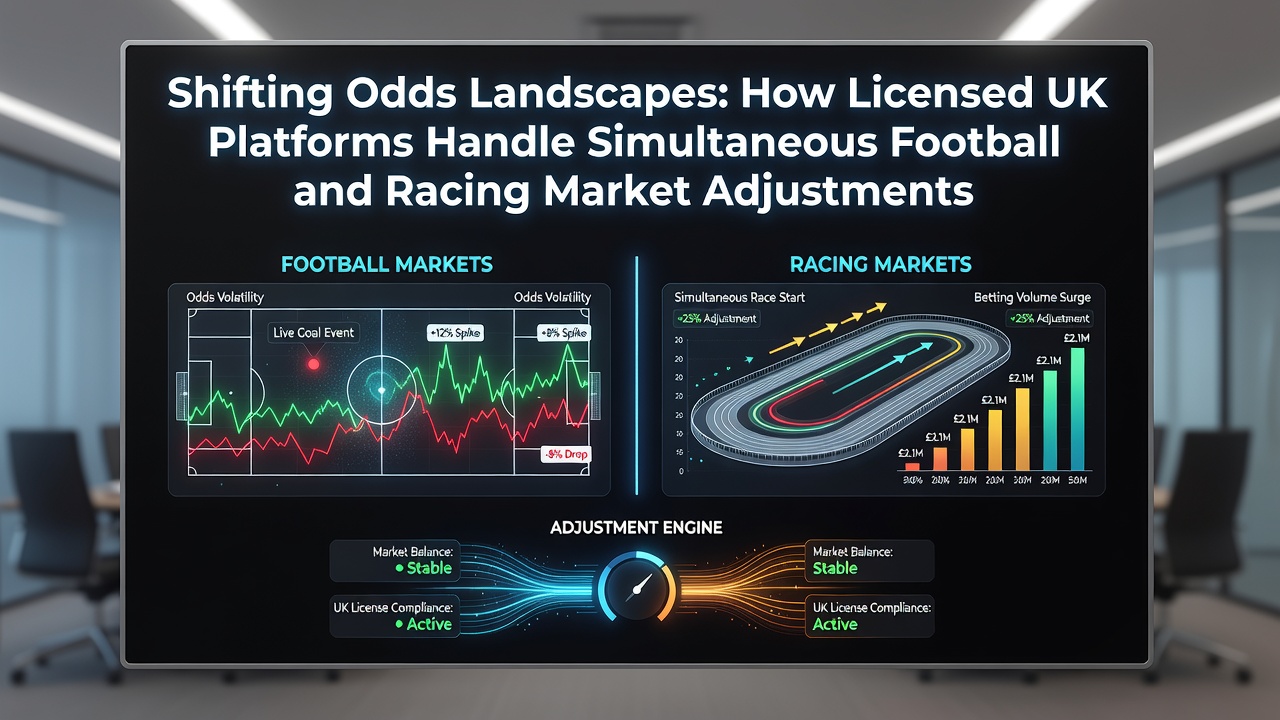
UK betting operators licensed to offer both football and racing products face constant pressure to recalibrate odds when multiple events unfold at once, and data from September 2026 shows platforms processing thousands of simultaneous adjustments during peak Saturday fixtures that overlap with afternoon race meetings. These adjustments rely on live data feeds from stadiums and tracks combined with automated algorithms that recalculate probabilities within seconds of each goal, red card, or race result.
Core Mechanisms Behind Simultaneous Adjustments
Operators maintain central risk engines that monitor betting volumes across all open markets, and these systems trigger price changes when liability thresholds are crossed in one sport while another event continues to attract wagers elsewhere. A goal scored in a Premier League match can instantly shift implied probabilities in related football accumulators, yet the same engine must also respond to a late non-runner in a handicap race without creating imbalances in either book.
Research published by the University of Nevada, Las Vegas Center for Gaming Research indicates that integrated platforms achieve sub-second latency on dual-sport updates through distributed computing clusters rather than sequential processing queues. This approach prevents one market type from lagging behind the other when trading activity spikes.
Data Integration and Risk Thresholds
Live data suppliers deliver millisecond updates on player positions, weather conditions at tracks, and pace figures, while operators layer their own models on top to generate new odds. When a football team pushes forward in the final ten minutes, the system simultaneously evaluates whether shortened prices on that match have created offsetting opportunities in racing markets where punters often hedge winnings.
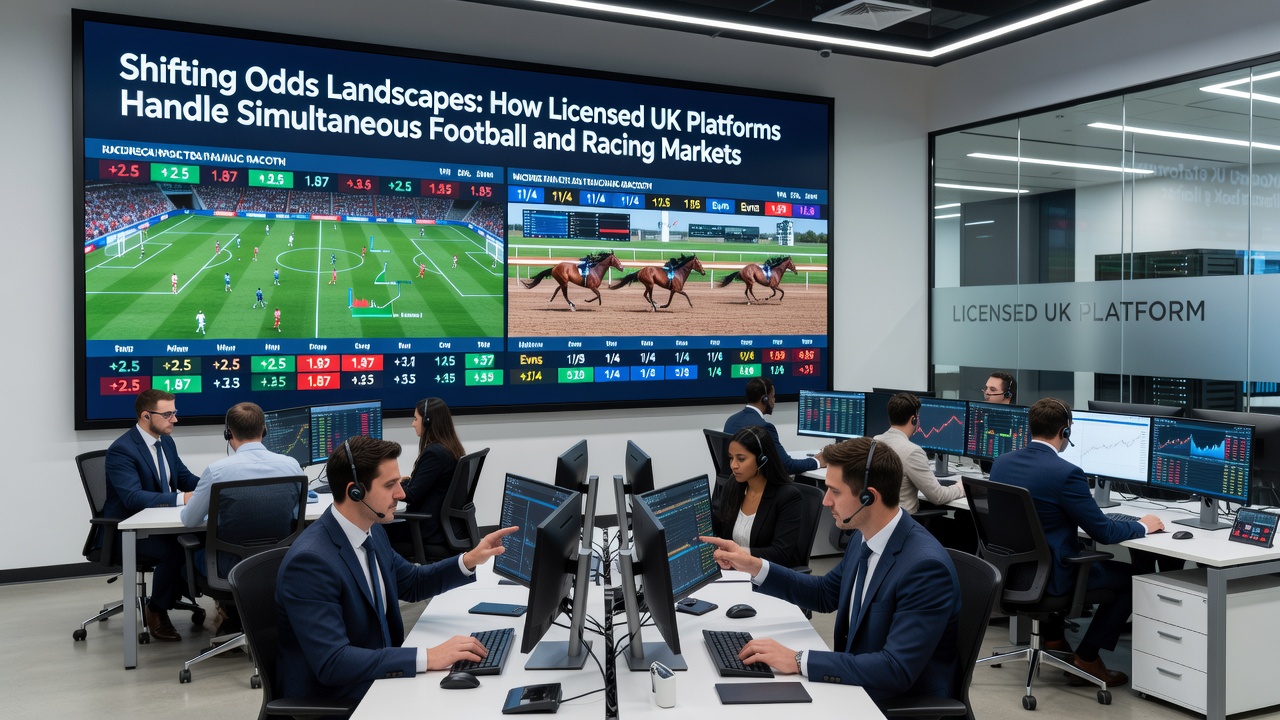
Those who have examined operator logs note that racing markets tend to move more frequently on non-runner declarations and jockey changes, whereas football adjustments cluster around discrete events such as substitutions or injuries. The overlap creates situations where a single risk manager oversees both books and must decide whether to shade prices in one sport to balance exposure created in the other.
Regulatory Compliance Across Overlapping Markets
Licensed platforms operate under frameworks established by bodies such as the Alcohol and Gaming Commission of Ontario and the Australian Communications and Media Authority, which require transparent audit trails for all odds movements regardless of the sport involved. These requirements mean every adjustment carries a timestamp and justification code that regulators can review during routine examinations.
Industry reports from the European Gaming and Betting Association reveal that operators handling dual portfolios invest heavily in cross-market reconciliation tools precisely because football and racing events rarely pause at the same moment. A late goal in a televised match can arrive within seconds of the off-time for a major race, forcing the platform to execute two distinct pricing actions almost concurrently.
Technology Infrastructure Supporting Dual-Sport Trading
Modern systems combine machine-learning models trained on historical price movements with rule-based overrides that human traders can activate during high-volatility periods. Observers note that September 2026 saw increased use of predictive modules that forecast likely scorelines or race outcomes based on in-play metrics, allowing preemptive adjustments before actual events occur.
Yet the final decision layer still rests with experienced traders who monitor aggregate exposure across both verticals, and these professionals intervene when automated outputs threaten to breach internal risk limits. The ball remains in the operator's court to ensure that simultaneous adjustments do not inadvertently create arbitrage opportunities for sophisticated bettors scanning multiple books.
Conclusion
Licensed UK platforms continue to refine the technical and procedural controls that allow real-time odds recalibration across football and racing without compromising either market's integrity. Data integration pipelines, risk engines, and regulatory reporting standards work together to manage the complexity created when events in different sports overlap, and operators that maintain robust cross-market visibility demonstrate the capacity to handle these shifting landscapes effectively.