How Mobile Interfaces Are Reshaping Real-Time Decision Patterns Among UK-Regulated Wagering Platforms
Written by Mia Griffin · Aug 23, 2026
How Mobile Interfaces Are Reshaping Real-Time Decision Patterns Among UK-Regulated Wagering Platforms
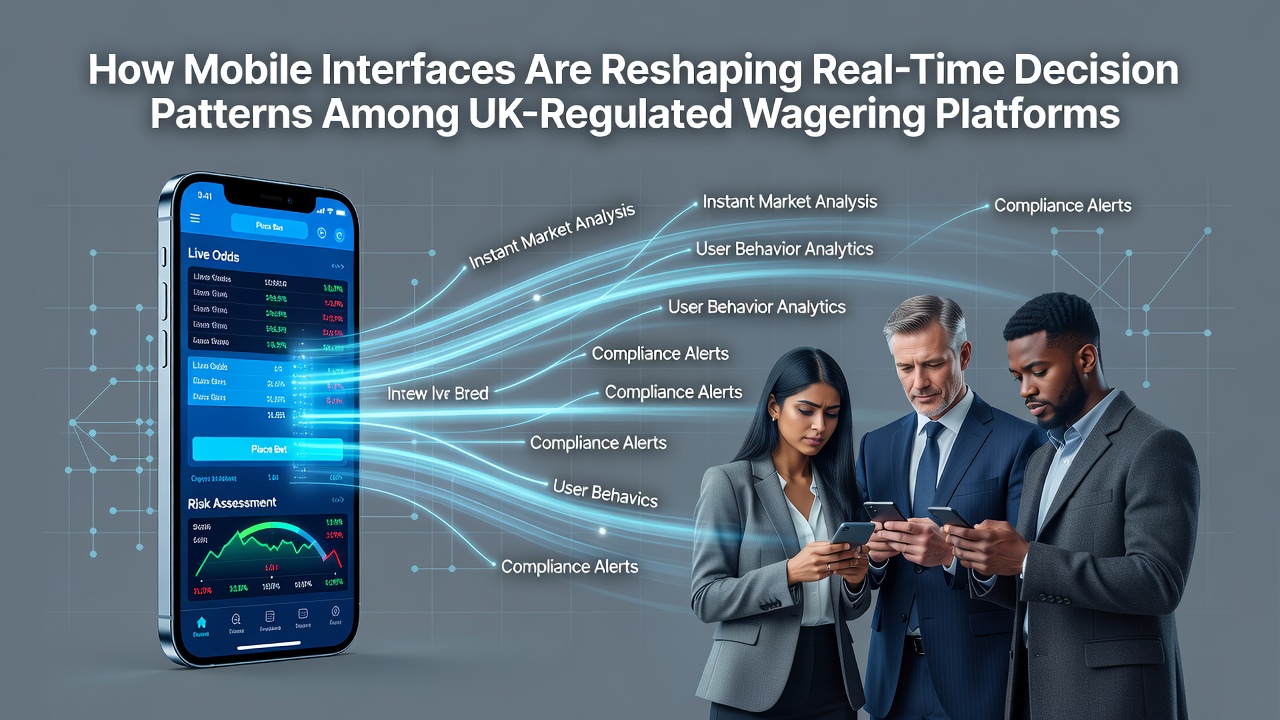
UK-regulated wagering platforms have integrated mobile interfaces that present live odds, push notifications, and simplified bet placement tools, which researchers have tracked as factors that alter the timing and frequency of user decisions. Data collected through platform analytics shows that in-play betting volumes rose steadily through 2025 and into August 2026, coinciding with updates to touch-screen navigation and one-tap confirmation features. Observers note that these changes coincide with shorter intervals between odds updates and user actions, while studies from academic institutions document shifts in session length and bet selection patterns.
Interface Design Elements Driving Faster Choices
Design teams at licensed operators deploy swipe gestures, persistent bet slips, and colour-coded probability indicators that reduce the number of screens required to place a wager. When these elements appear together, users complete selections in fewer steps than on desktop versions, according to usage logs reviewed by industry analysts. But here's the thing: the same interfaces also display countdown timers for markets closing soon, which correlates with increased placement rates in the final minutes before an event segment begins. Researchers at multiple universities have measured these patterns across thousands of sessions and found consistent reductions in deliberation time once mobile-specific prompts activate.
Push notifications arrive with personalised odds or cash-out options that appear outside the main app window, prompting immediate responses without requiring users to reopen the platform. Figures from platform telemetry indicate that notification-driven bets account for a growing share of total volume, particularly during evening hours when users receive updates on ongoing matches. Those who have examined the data observe that the timing of these alerts aligns with peak moments of market volatility, creating clusters of activity within narrow windows.
Real-Time Data Presentation and User Response Times
Live score integrations and animated graphics appear directly within betting flows, supplying contextual information that previously required switching between apps or browser tabs. Evidence from controlled observation studies reveals that participants using these embedded feeds place follow-up wagers more rapidly than those relying on separate information sources. The reality is that such consolidation keeps attention within a single interface, shortening the gap between new data arrival and subsequent action.
Comparison tools built into mobile dashboards highlight price movements across multiple outcomes simultaneously, allowing quick scanning of value opportunities. Data shows elevated activity on markets where these comparative displays refresh every few seconds, especially in football and tennis where point-by-point updates feed directly into the interface. What's interesting is that users interacting with these tools exhibit different selection sequences than those navigating static lists, with more frequent switches between related markets within the same session.
Patterns Observed Across Regulated Operators
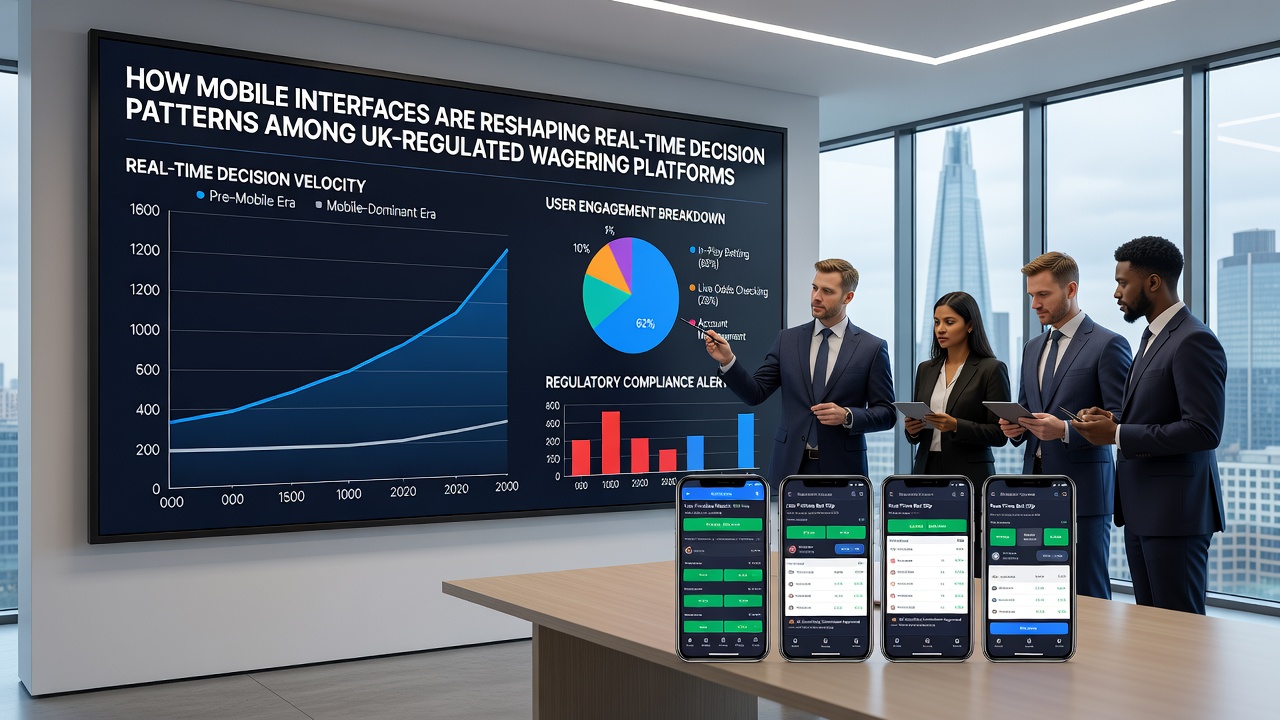
Platform operators report that mobile sessions now represent the majority of total betting activity, with average decision cycles compressed compared to earlier desktop-dominant periods. According to findings shared by the Responsible Gambling Council in Canada, similar interface changes in other jurisdictions produced measurable increases in in-play frequency among mobile users. The same reports note that features allowing partial cash-outs or stake adjustments appear at key moments, further influencing the sequence of decisions within a single event.
August 2026 records from multiple platforms show continued growth in mobile-driven micro-bets, where users respond to brief windows of favourable odds before they update again. Analysts tracking these trends point to the role of haptic feedback and visual highlights that accompany each odds change, drawing attention to specific opportunities. Those who've reviewed aggregated logs across operators confirm that the introduction of such sensory cues coincides with tighter clustering of bets around live moments rather than pre-event selections.
Comparative Data from Other Regions
Research published by the Australian Gambling Research Centre examined mobile interface effects on decision timing and found parallel reductions in deliberation periods once live data feeds and quick-action buttons were introduced. While regulatory frameworks differ, the technical patterns mirror those observed in UK-regulated environments, suggesting that interface mechanics themselves contribute to altered pacing independent of local rules. Observers tracking cross-border trends note that operators often apply comparable design libraries across markets, producing consistent behavioural signals in user logs.
Conclusion
Mobile interface updates continue to reshape the sequence and speed of real-time decisions on UK-regulated wagering platforms, with data indicating shorter intervals between information receipt and bet placement. Patterns tracked through 2026 show sustained emphasis on embedded live feeds, notification systems, and simplified confirmation steps that keep users within the same environment. Researchers and platform analysts alike document these shifts through session metrics and behavioural logs, providing measurable evidence of how design choices influence decision timing across different market segments.